
Mukhi Kachu (Taro Root / Colocasia Esculenta) – Premium Grade Whole Corm, Export Quality
Description
Mukhi Kachu,
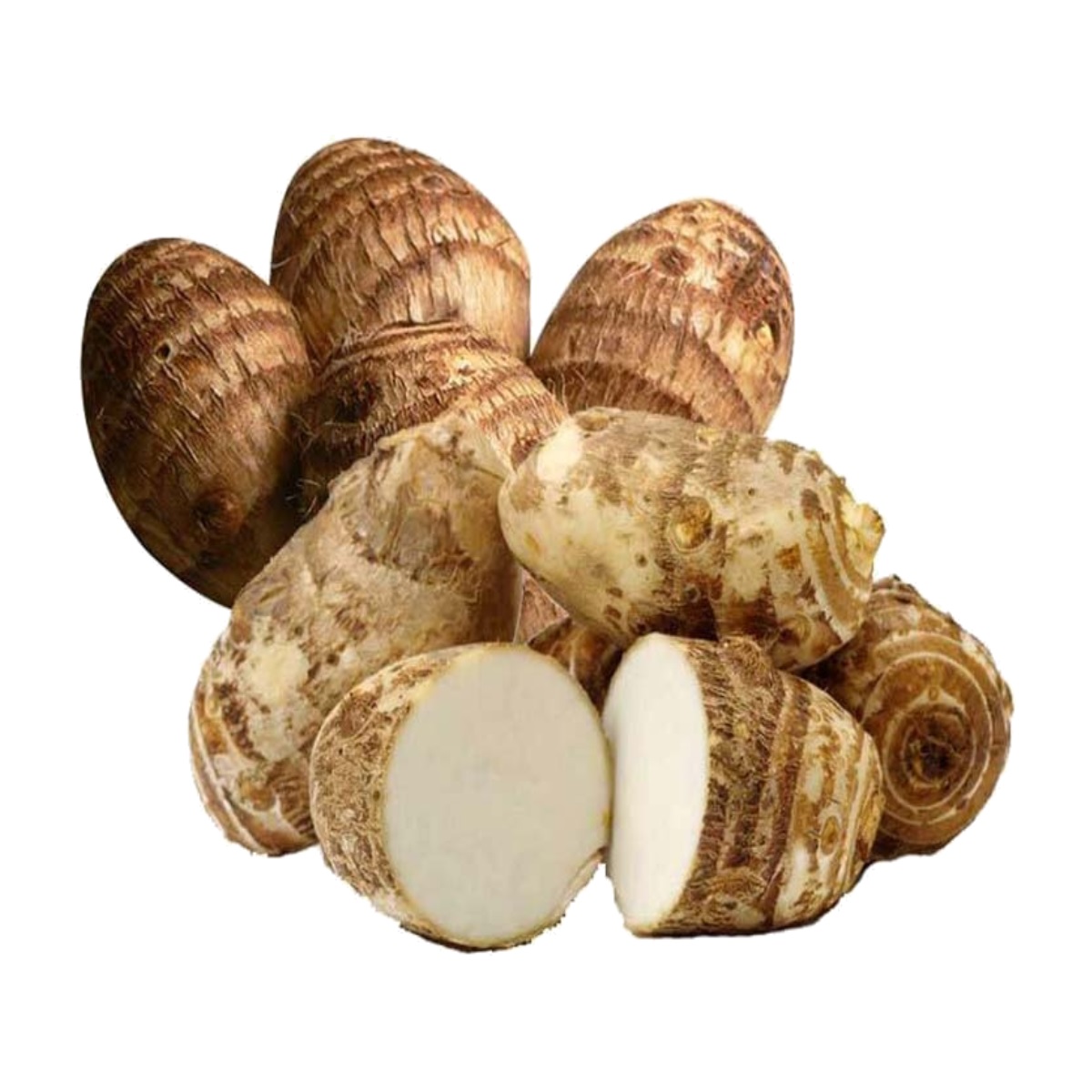
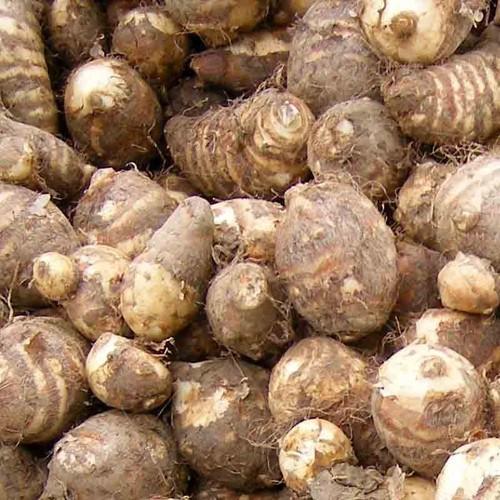
internationally known as Taro Root or Colocasia Esculenta, is a highly nutritious, starchy tuber vegetable deeply rooted in the culinary traditions of Bangladesh, India, and Southeast Asia. Recognized by its rough, brown outer skin and creamy white flesh often speckled with purple pigments, this versatile root crop has sustained populations for over 2,000 years of cultivated history and now serves as a globally significant food commodity with annual world production reaching 18.07 million metric tons as of 2023 . Often compared to potato for its texture yet distinguished by its mildly sweet, nutty flavor profile and superior nutritional density, Mukhi Kachu represents an exceptional export opportunity for ethnic food distributors, health food retailers, and industrial food processors worldwide.
Scientific Profile & Nutritional Excellence
Taxonomically classified within the Araceae family, Mukhi Kachu distinguishes itself from other root vegetables through its exceptional nutritional architecture. A standard 100-gram serving of cooked taro provides 112 calories with 26g carbohydrates, 4g dietary fiber, and 2g protein, while delivering remarkable micronutrient density: 19% Daily Value of Vitamin E, 15% DV of potassium, 11% DV of Vitamin C, 10% DV each of magnesium and phosphorus, plus significant concentrations of manganese, copper, and B-complex vitamins . Scientific analysis confirms taro starch comprises 70-80% of dry matter with higher phosphorus (0.407%), protein (5.605%), and ash content than other tropical roots including tiger nut and sweet potato, combined with exceptionally small starch granules that achieve 99% digestibility .
Health Benefits & Functional Properties
Mukhi Kachu distinguishes itself as a functional food with documented therapeutic applications. Its starch profile features approximately 12% resistant starch—a non-digestible carbohydrate that functions as dietary fiber and prebiotic—conferring a low glycemic index that prevents blood sugar spikes, making it particularly valuable for diabetic consumers and weight management protocols . The tuber contains concentrated polyphenolic compounds including quercetin, anthocyanins, and tarin lectin that demonstrate antitumor, antimetastatic, antioxidant, and anti-inflammatory activities in laboratory studies . Its substantial dietary fiber content (6.7g per cup, more than double equivalent potato serving) promotes satiety, reduces total calorie intake, supports beneficial gut microbiota through short-chain fatty acid production, and has been associated with 17% reduced cardiovascular mortality per 10g daily fiber increase . The mucilaginous properties and bioactive compounds present prebiotic potential while supporting digestive health and immune function .
Cultivation & Origin
Bangladesh stands among Asia’s significant taro-producing nations, with favorable tropical conditions producing corms of exceptional eating quality . Our Mukhi Kachu is cultivated using traditional farming methods in nutrient-rich alluvial soils, harvested at optimal maturity when starch development peaks and fiber content achieves ideal balance. Each corm is hand-selected for uniformity, maturity, and freedom from blemishes or mechanical damage. The crop’s remarkable adaptability and relatively low input requirements make it a sustainable agricultural product with reliable year-round supply potential.
Culinary Applications & Processing Versatility
Mukhi Kachu demonstrates extraordinary culinary versatility across both traditional Asian and contemporary global applications. In South Asian cuisine, it transforms into spicy curries (kochu’r torkari), crisp stir-fries with mustard seeds, and the beloved kochu’r chorchori—a slow-cooked preparation that maximizes its earthy flavor profile. The tuber accepts value-added processing exceptionally well: thin-sliced and baked or fried into premium taro chips (increasingly popular as gluten-free, nutrient-dense snack alternatives), mashed into the traditional Hawaiian preparation poi, incorporated into bubble tea as taro powder or paste, baked into sweet buns and desserts, cubed in soups and stews, or pan-fried as crispy cakes . Food industries increasingly utilize taro starch as a stabilizer, emulsifier, fat substitute, and filler agent—applications driving growing industrial demand .
Important Safety Note – Mandatory Cooking Required
Mukhi Kachu contains naturally occurring calcium oxalate crystals and protease compounds that cause intense stinging and burning sensation if consumed raw . Thorough cooking is absolutely mandatory—boiling, steaming, frying, or baking completely neutralizes these anti-nutritional factors, rendering the tuber entirely safe and delicious. This processing requirement is standard industry knowledge; export documentation includes clear handling instructions for international buyers.
Export Specifications & Packaging
Our Mukhi Kachu is offered as:
-
Whole Grade A Corms: 80-150g average weight, uniform size, clean exterior
-
Processing Grade: Bulk volume for industrial starch extraction and further manufacturing
-
Value-Added: Pre-cleaned, portion-cut, or IQF frozen segments available upon contract agreement
Packaging: Export-grade mesh sacks, ventilated cartons, or vacuum-sealed food-grade polybags (customer specification). Net weights: 5kg, 10kg, or 20kg master cartons. Cold chain maintenance at 10-15°C recommended for extended shelf life.
Target Markets
Ethnic grocery distributors servicing South Asian diaspora communities; health food retailers emphasizing whole foods, gluten-free alternatives, and low-glycemic carbohydrate sources; industrial food manufacturers seeking clean-label starch sources and functional ingredients; snack food producers developing premium vegetable chip lines; and specialty produce importers serving Caribbean, African, Pacific Island, and progressive Western cuisine markets.
Reviews
There are no reviews yet.