
Loti (Kochur Loti / Taro Stolon / Taro Runner) – Premium Grade, Fresh & Processed, Export Quality
Description
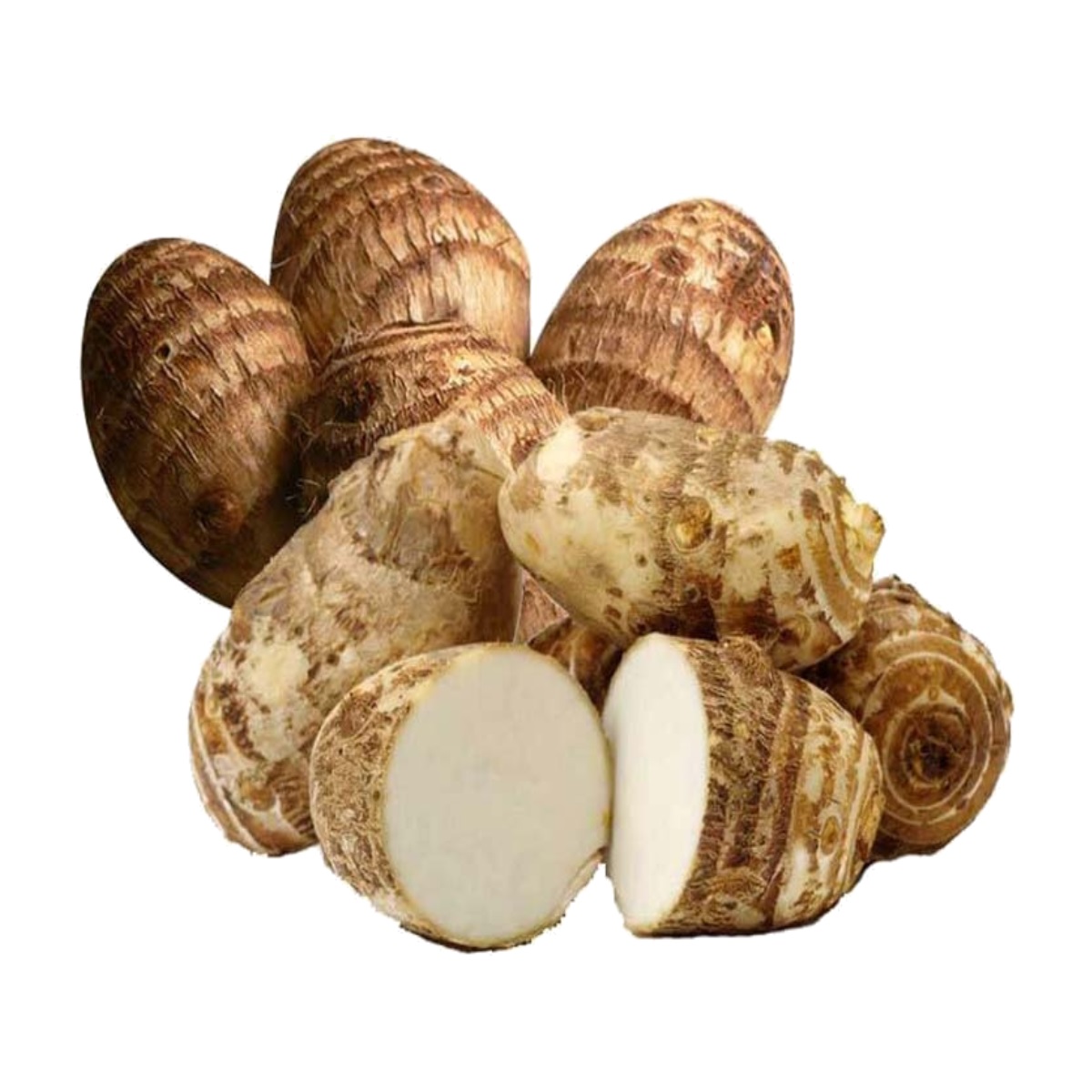
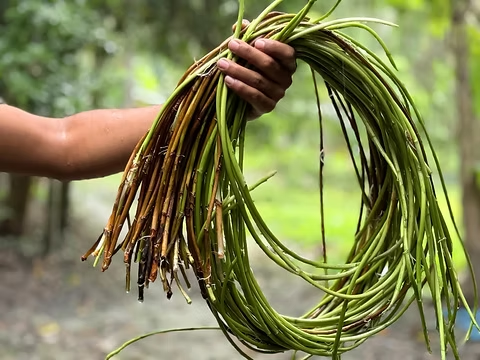
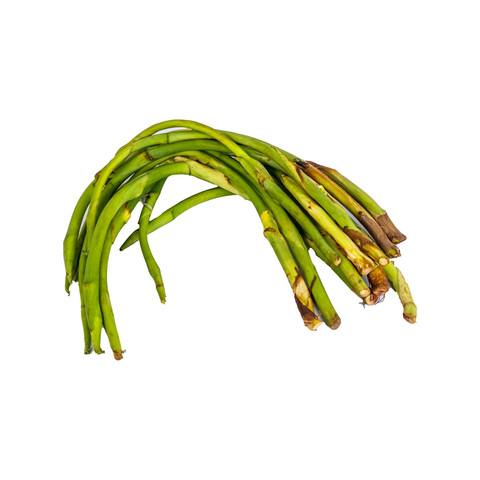
Loti, botanically classified as the stolon of Colocasia esculenta, is a slender, elongated runner that emerges from the base of the taro plant, extending horizontally beneath or along the soil surface to propagate new shoots. Unlike the familiar corm (Mukhi Kachu) and leaves, this remarkable vegetable has remained surprisingly underexplored in global commerce despite its exceptional nutritional density, distinctive crunchy-yet-tender texture, and deeply rooted culinary heritage across Bangladesh, West Bengal, Assam, and other parts of South and Southeast Asia. Known regionally as Kochur Loti (কচুর লতি) in Bangla, these emerald-green to pale ivory runners represent a traditional delicacy that transforms simple home cooking into memorable gastronomic experiences. Now, backed by emerging 2025 peer-reviewed scientific research, Loti stands poised for international recognition as a functional food with documented antioxidant, antimicrobial, and phytochemical properties that far exceed those of many conventional vegetables .
Scientific Profile & Nutritional Excellence
Recent comprehensive phytochemical analysis published in Discover Food (2025) has established the taro stolon as a reservoir of bioactive compounds and dietary fiber with remarkable health-promoting potential . Proximate composition analysis reveals:
-
Moisture: 81.0% – Contributing to succulent texture
-
Ash: 6.2% – Indicator of rich mineral content
-
Crude Fiber: 5.9% – Exceptionally high, surpassing most common vegetables
-
Protein: 1.45% – Notable for a stem vegetable
-
Fat: 2.1% – Primarily beneficial lipids
-
Carbohydrates: 3.35% – Slow-release, low-glycemic energy source
Beyond basic nutrition, Loti demonstrates extraordinary phytochemical richness. Methanolic extraction has confirmed the presence of glycosides, flavonoids, terpenes, phenols, quinones, steroids, and saponins – a diverse array of bioactive secondary metabolites rarely found in such concentration within a single vegetable source . Quantitative HPLC-PDA analysis identified and quantified three major phenolic compounds: trans-ferulic acid (26.80 mg/100g) , a potent antioxidant with documented anti-inflammatory and photoprotective properties; catechin hydrate (14.18 mg/100g) , a flavonoid associated with cardiovascular protection and metabolic regulation; and (-) epicatechin (10.99 mg/100g) , a well-studied cardioprotective and neuroprotective polyphenol .
The antioxidant capacity is equally impressive. Total phenolic content measures 150.5 mg GAE/100g, while total flavonoids reach 80.25 mg QE/100g. Notably, Loti contains 0.65 mg/100g β-carotene (provitamin A) and 57.6 mg/100g ascorbic acid (vitamin C), contributing to a substantial DPPH radical scavenging activity of 66.85% – a scientifically validated measure of its ability to neutralize harmful oxidative stress in the human body .
Health Benefits & Functional Properties
The 2025 study confirms that Loti is not merely a food but a functional ingredient with clinically relevant bioactive potential. The presence of phenolic acids and flavonoids at these concentrations correlates with reduced risk of chronic inflammatory conditions, oxidative damage, and certain degenerative diseases. Furthermore, antimicrobial assays demonstrated significant inhibition zones against Gram-positive Staphylococcus spp. (15.56 ± 1.30 mm) and the pathogenic fungus Aspergillus flavus (12.51 ± 0.25 mm) , suggesting natural preservative qualities and potential applications in food safety .
The high dietary fiber content (5.9%) positions Loti as an exceptional candidate for gut health promotion, weight management protocols, and blood glucose regulation. Its fiber profile supports satiety, beneficial microbiota proliferation, and regular gastrointestinal function – attributes increasingly valued in health-conscious Western markets.
Cultivation & Botanical Characteristics
Botanically, Colocasia esculenta is a rhizomatous, stoloniferous herb that naturally forms extensive colonies by means of these very runners . Indigenous to tropical Asia and northern Australia, taro has been cultivated since antiquity, yet the stolons remain commercially neglected outside South Asia. In Bangladesh, Loti is traditionally harvested from established taro fields during the monsoon and post-monsoon seasons when runners are tender, succulent, and at peak flavor. The stolons emerge from the parent plant’s base, creeping horizontally before producing new corms – a natural propagation mechanism that, with proper management, yields sustainable harvests without disturbing the primary crop.
Our Loti is sourced from smallholder farmers practicing traditional integrated farming systems across Bangladesh’s fertile riverine districts, where the combination of alluvial soils, tropical humidity, and generations of cultivation knowledge produces runners of exceptional tenderness and flavor. Harvesting occurs at precisely 15-25 cm length when fiber content is optimally balanced with succulence.
Culinary Applications & Cultural Significance
In traditional Bengali cuisine, Loti occupies a revered position as a monsoon delicacy. Its unique textural profile – simultaneously crisp and yielding, with a gentle chewiness that softens beautifully upon cooking – makes it highly versatile. The flavor is subtle, faintly sweet, and earthy, readily absorbing companion spices while contributing its own delicate vegetal notes.
Classic preparations include:
-
Loti’r Ghonto: Slow-cooked with grated coconut, mustard paste, and Bengal gram, finished with a drizzle of raw mustard oil
-
Loti Bhaja: Thinly sliced and pan-fried until golden-crisp, seasoned minimally with turmeric and salt
-
Loti’r Dal: Simmered in lentil soup, adding texture and nutritional density
-
Shukto: The iconic Bengali bittersweet vegetable medley features Loti as an essential component
-
Chorchori: Lightly spiced stir-fry with eggplant, pumpkin, and green bananas
Internationally, Loti presents extraordinary opportunities for culinary innovation. Its firm structure holds well in:
-
Tempura or light batter frying – Exceptional gluten-free appetizer application
-
Stir-fries with garlic and chili – Quick-cooking format for Western stir-fry adaptations
-
Pickling and fermentation – The stolon’s cellular structure absorbs brines excellently
-
Sliced and baked as vegetable chips – Natural purple-green coloration creates visually distinctive snack products
-
Curry additions – Compatible with Thai, Vietnamese, and Caribbean coconut-based preparations
Important Safety Note – Mandatory Cooking Required
Like other parts of the taro plant, Loti contains calcium oxalate crystals (raphides) and proteolytic enzymes that cause intense oral irritation and pruritus if consumed raw. Thorough cooking is absolutely mandatory and completely neutralizes these compounds. Traditional preparation methods – boiling, steaming, frying, or incorporation into simmered dishes – render the vegetable entirely safe, tender, and delicious. This requirement is standard industry knowledge and will be clearly communicated in all export documentation and packaging.
Export Specifications & Packaging
| Grade | Specification | Packaging Options |
|---|---|---|
| Premium Grade A | 15-25 cm length, uniform diameter, intact tips, no blemishes | 2kg/5kg vacuum-sealed food-grade polybags; 10kg master cartons |
| Processing Grade | Bulk volume, varied sizes, minimal cosmetic defects | 20kg mesh sacks or bulk cartons |
| IQF Frozen | Flash-blanched & individually quick frozen | 1kg retail polybags; 10kg bulk cartons |
| Value-Added | Pre-cut stir-fry strips, sliced chips-ready | Custom contract packaging |
Storage: Optimal at 4-8°C, 85-90% RH. Shelf life: 7-10 days fresh; 18 months frozen.
Target Markets
-
Ethnic grocery distributors serving South Asian diaspora communities in North America, Europe, Middle East, and Oceania
-
Specialty produce importers supplying Caribbean, African, and Southeast Asian cuisine restaurants
-
Health food retailers emphasizing high-fiber, antioxidant-rich, traditionally cultivated whole foods
-
Snack food manufacturers developing premium vegetable chip lines with unique color and provenance story
-
Natural food colorant and nutraceutical extract industries seeking sustainable sources of ferulic acid, catechins, and dietary fiber
Reviews
There are no reviews yet.