
Kodbel (Wood Apple / Limonia acidissima) – Fresh Fruit, Frozen Pulp & Value-Added Export Formats
Description
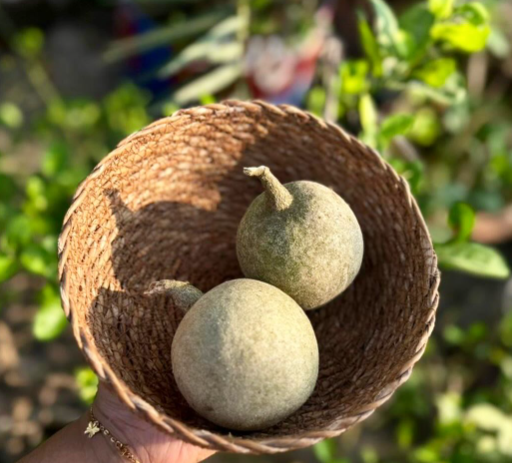
Kodbel, internationally recognized as Wood Apple or Bengal Quince, is a revered indigenous fruit of the Indian subcontinent, distinguished by its hard, woody shell and aromatic, tamarind-like pulp that delivers a complex sweet-tangy flavor profile. This seasonal delicacy, available primarily from August to November, occupies a unique position in Bangladesh’s fruit biodiversity—simultaneously a traditional food remedy, a cultural palate memory, and an underexploited commercial asset with documented export potential . Cultivated across multiple districts including Bagerhat, Rajshahi, and Kushtia, Kodbel thrives in Bangladesh’s tropical climate with minimal intervention, offering farmers a low-input, high-nutrition crop that commands growing consumer interest. As global demand for functional foods and exotic tropical fruits accelerates, Bangladesh’s Wood Apple stands poised for strategic positioning in ethnic, health-conscious, and plant-based ingredient markets worldwide.
Key Features & Botanical Distinction
-
Scientific Identity: Limonia acidissima L. – Family Rutaceae; distinct from bael (Aegle marmelos)
-
Physical Characteristics: Spherical fruit, 5-12 cm diameter; greyish-brown woody rind; brown, sticky, aromatic pulp interspersed with white seeds
-
Flavor Profile: Complex sweet-sour-pungent; tamarind-like acidity with fermented undertones; intensely aromatic
-
Edible Portion: Pulp consumed fresh or processed; shell discarded or utilized for traditional crafts
-
Natural Hardiness: Drought-tolerant; thrives in poor soils; minimal pesticide requirements; ideal for organic positioning
Nutritional & Phytochemical Profile
| Component | Concentration (per 100g) | Significance |
|---|---|---|
| Calcium | 130-140 mg | Exceptionally high; bone health; dental integrity; muscle function |
| Vitamin C (Ascorbic Acid) | 60-70 mg | 70-80% of daily requirement; immune support; collagen synthesis |
| Vitamin A (β-Carotene) | 55-60 µg | Vision health; epithelial integrity; antioxidant protection |
| Protein | 7.1-7.5 g | Remarkably high for a fruit; plant-based protein source |
| Dietary Fiber | 5.0-5.6 g | Digestive health; glycemic control; satiety |
| Iron | 0.5-0.7 mg | Hemoglobin synthesis; anemia prevention |
| Phosphorus | 110-130 mg | Bone mineralization; energy metabolism |
| Riboflavin (B2) | 0.17-0.20 mg | Cellular energy production; antioxidant function |
Reviews
There are no reviews yet.