
Jara Lebu (Sylhet Citron / Citrus Medica) – Export-Grade Giant Citrus, Whole Fruit & Value-Added Preparations
Description
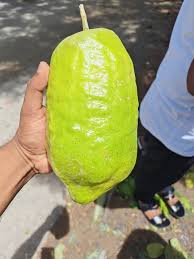
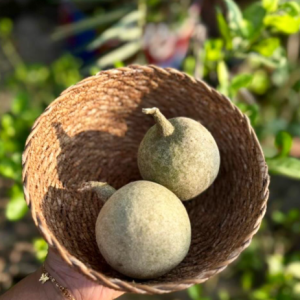
Jara Lebu, reverentially called the “King of Lemons” (লেবুর রাজা) in its native Bangladesh, is a magnificent and rare citron variety that stands as one of only three original species within the entire Citrus genus—alongside oranges and batabi lembu—from which countless modern hybrids have been derived through centuries of cultivation and cross-breeding . This extraordinary fruit is not a true lemon nor a lime, but rather a distinct Citrus medica cultivar that has been cherished in the Sylhet region for generations, where its exceptional size, intoxicating fragrance, and uniquely edible sweet rind have elevated it from ordinary produce to cultural treasure. Unlike any other citrus fruit worldwide, Jara Lebu offers the remarkable distinction of having peel that is not merely palatable but genuinely delicious—sweet, aromatic, and tender enough to be enjoyed raw as salad, cooked into savory preparations, or transformed through traditional aging into a buttery, melt-in-the-mouth delicacy . Cultivated almost exclusively in the misty, rain-fed hilly terrains of northeastern Bangladesh, this magnificent fruit typically weighs between 1 to 2 kilograms, with exceptional specimens reaching 4 kilograms—representing one of the largest edible citrus fruits in commercial production anywhere on earth .
Key Features & Botanical Distinction
-
Scientific Identity: Citrus medica L. – One of three founding citrus species; not a hybrid, not a cross
-
Extraordinary Size: Standard specimens 1-2 kg; exceptional fruits up to 4 kg; 5-10 times larger than conventional lemons
-
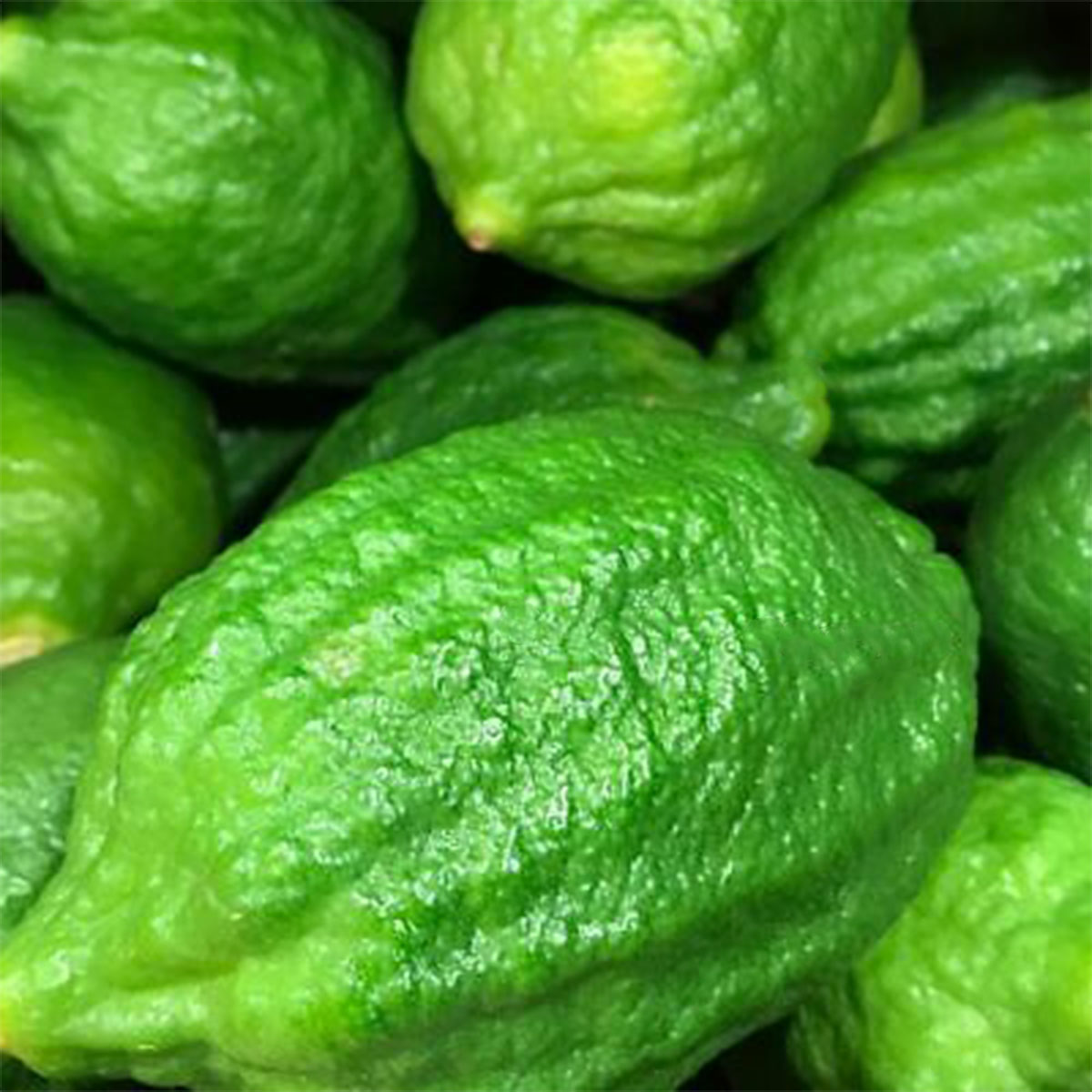
Distinctive Morphology: Thick, bumpy, pale green to golden-yellow rind; minimal juicy pulp; the peel is the prized culinary component
-
Aroma Profile: Powerful, complex fragrance with notes of lemon grass, sweet florals, and subtle earthiness—distinct from any other citrus
-
Flavor Architecture: Juice is intensely sour and aromatic; peel is unexpectedly sweet, mildly bitter, and entirely edible raw or cooked
-
Rare Edible Rind: Uniquely among citrus, Jara peel can be eaten raw in salads, cooked in curries, or aged into creamy pickle—the only citrus with this versatility
Varieties & Cultivar Development
The Citrus Research Center in Jaintapur, Sylhet under the Bangladesh Agricultural Research Institute has scientifically documented several distinct Jara landraces cultivated across the region. These include Round Jara, Guti Jara, and Water Zara—each possessing subtle variations in size, acidity, and peel characteristics adapted to specific microclimates within Sylhet’s diverse hill ecosystems . In 2019, Bangladeshi agricultural scientists released BARI Jara Lemon-1, an improved variety developed through systematic selection and released by the Bangladesh Agricultural Research Institute. This cultivar offers enhanced uniformity, disease resistance, and superior peel quality for both domestic consumption and international export potential . Ongoing research continues to develop additional varieties with targeted traits for specific international market requirements.
Nutritional & Phytochemical Profile
While comprehensive compositional analysis specific to Jara Lebu remains limited in published literature, citron species (Citrus medica) are scientifically recognized for exceptional concentrations of bioactive compounds. The fruit is notably rich in:
-
Vitamin C: Significant concentrations supporting immune function and collagen synthesis
-
Dietary Fiber: Particularly concentrated in the thick, edible rind
-
Flavonoids & Limonoids: Antioxidant compounds with documented anti-inflammatory properties
-
Essential Oils: Limonene, citral, and other volatile compounds responsible for the distinctive aromatherapeutic fragrance
-
Potassium & Magnesium: Essential minerals for cardiovascular and neuromuscular health
Traditional medicine systems across South Asia have long valued citron preparations for digestive support, nausea relief, and as a natural detoxification agent. The aged rind, in particular, is believed to develop enhanced bioactive properties through the fermentation and maturation process .
Cultivation & Terroir
Jara Lebu is not merely grown in Bangladesh—it is intrinsically tied to the unique geological and climatic conditions of Sylhet’s northern hill districts, principally Jaintapur, Gowainghat, Kanaighat, Golapganj, and Beanibazar upazilas. Current cultivation encompasses approximately 150 commercial orchards, with over 60 concentrated in Jaintapur’s Fatehpur union alone—particularly the villages of Bagerkhal, Chiknagul, Haripur, Shyampur, and Agerkhal .
The fruit’s exacting requirements include:
-
Acidic, well-drained soils characteristic of Sylhet’s hilly slopes
-
Abundant annual rainfall exceeding 3,000 mm, concentrated during monsoon months
-
Rapid water drainage through porous hill soils; standing water at tree bases is fatal
-
Elevation gradients preventing waterlogging while retaining adequate moisture
-
Tropical humidity moderated by elevation and proximity to the Khasi and Jaintia Hills
These precise conditions—developed over millennia in the border hills shared with Meghalaya and Assam—cannot be easily replicated elsewhere, giving Sylhet’s Jara Lebu a terroir-driven uniqueness comparable to Champagne or Parmigiano-Reggiano .
Economic Profile & Profitability
Comprehensive economic analysis conducted by the Bangladesh Agricultural Research Institute confirms Jara Lebu cultivation as extraordinarily profitable. A mature tree in its fifth year—peak production—can generate gross returns of approximately Tk. 1,995,750 per hectare (approximately $18,300 USD at current exchange rates), with a benefit-cost ratio of 2.85 at 6.5% interest and internal rate of return (IRR) of 78% —exceptional figures that surpass most agricultural commodities .
A single mature tree may produce over 1,000 fruits annually under optimal conditions, with individual fruits commanding retail prices of Tk. 700-800 ($6.50-7.50 USD) for large specimens during peak season and significantly higher during off-season periods . Farmers report that traders collect fruits directly from orchards, eliminating intermediary marketing costs and ensuring premium pricing capture at the producer level .
Culinary Applications – Whole Fruit
Jara Lebu challenges conventional citrus usage paradigms. Unlike lemons or limes where juice is primary and peel is waste, Jara Lebu inverts this relationship entirely. The peel is the prize; the juice, while intensely aromatic, plays a supporting role.
Traditional Preparations:
-
Raw Peel Salad: Thinly sliced fresh rind, sometimes macerated with salt and chili, served as an accompaniment to rich meals—the sweet-sour-bitter complexity acts as palate cleanser and digestive aid
-
Fish Curries: Peel pieces added during cooking impart distinctive fragrance without overwhelming the primary protein; notably, the peel should never be cooked with meat, as it introduces unacceptable bitterness
-
Infused Oils & Vinegars: The essential oil-rich rind flavors cooking mediums with concentrated citrus essence
-
Beverages: Juice is diluted into refreshing summer drinks; the aromatic intensity far exceeds conventional lemonade
Important Culinary Note: Chefs and home cooks must exercise discrimination—Jara peel complements fish and vegetable preparations beautifully but renders meat dishes unpleasantly bitter. This specificity is well-documented by Sylheti culinary practitioners and distinguishes Jara from conventional citrus applications .
Value-Added Processing – Pickled Heritage
The most exalted expression of Jara Lebu is achieved through traditional aging into pickle—a process requiring patience, skill, and respect for the fruit’s unique structural transformation. When the thick, fleshy rind is salt-cured and aged in mustard oil with Bengali five-spice (fenugreek, nigella, fennel, cumin, radhuni) and asafoetida, a remarkable metamorphosis occurs. The firm, slightly bitter peel softens over weeks into a creamy, buttery, almost cheese-like texture—simultaneously rich and tangy, savory and faintly sweet, with bitterness mellowed to a gentle whisper that adds complexity without harshness .
This preparation—commercially artisanal and domestically treasured—represents one of South Asia’s most sophisticated pickle traditions, yet remains virtually unknown outside Sylheti and Bengali diaspora communities. Modern gourmet producers have begun presenting Jara pickle in refined glass packaging, positioning it alongside Mediterranean preserved lemons and Japanese yuzu kosho as an elite condiment with extraordinary pairing versatility .
Flavor Affinities & Modern Gastronomy:
-
Traditional Bengali: Steamed rice, dal, dim curry, alu bharta, shorshe ilish, shukto
-
Contemporary Western: Flatbreads with soft cheese, roast chicken, grain bowls, crostini with ricotta, seared white fish
-
Fusion Applications: Citrus vinaigrettes, ceviche accents, cheese boards, charcuterie accompaniments, craft cocktails
-
Heat Level: Traditional pickle is mildly warm (1.5/5); whole fruit is non-pungent
Export Context & Market Access
Jara Lebu occupies a paradoxical position in international trade. The fruit possesses exceptional export potential—demonstrated by active commercial shipments to the United Kingdom, United States, Singapore, Qatar, Saudi Arabia, Kuwait, and UAE—yet faces a long-standing phytosanitary restriction that has constrained full market development
Reviews
There are no reviews yet.