
Amla (Phyllanthus emblica / Emblica officinalis) – Premium Grade Dried Whole Fruit, Powder, Juice Concentrate & Value-Added Export Formats
Description
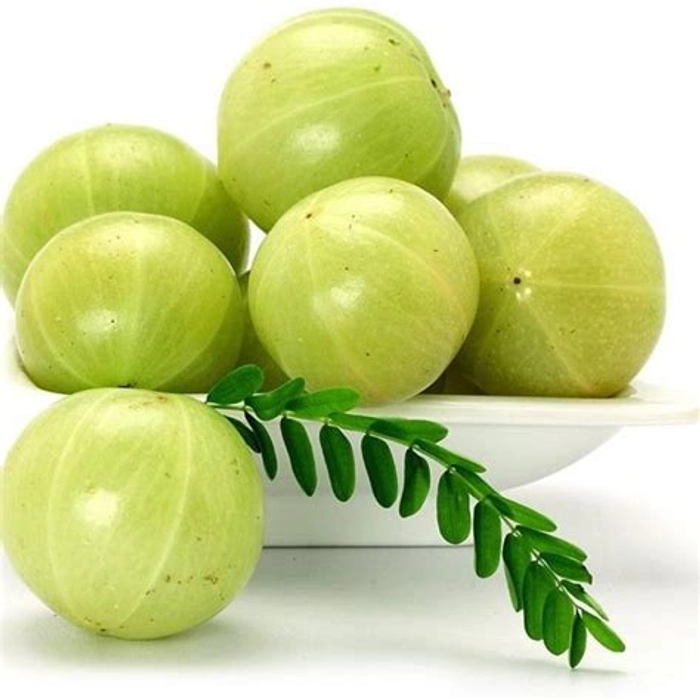
Amla, revered in classical Ayurvedic texts as “Amritaphala” (The Nectar Fruit) , is one of the most nutritionally dense and therapeutically potent fruits known to humanity . This small, light-green to greenish-yellow berry, indigenous to the tropical and subtropical regions of the Indian subcontinent including Bangladesh, India, Sri Lanka, and Southeast Asia, has been continuously cultivated and consumed for over 3,000 years . Botanically classified as Phyllanthus emblica (syn. Emblica officinalis) of the family Phyllanthaceae, amla is not merely a fruit—it is a complete functional food, a pharmaceutical treasure, and a rapidly growing superfruit in global nutraceutical, cosmeceutical, and functional beverage markets. The global amla market, valued at approximately USD 800 million in 2023, is projected to grow at 8-10% CAGR through 2030, driven by surging demand for clean-label Vitamin C ingredients, plant-based adaptogens, and Ayurvedic heritage products.
Key Features & Botanical Distinction
-
Scientific Identity: Phyllanthus emblica L. (syn. Emblica officinalis Gaertn.); Family Phyllanthaceae
-
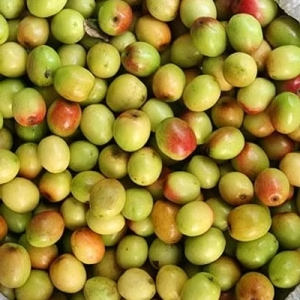
Physical Characteristics: Small, globose drupe, 20-30 mm diameter; pale green ripening to translucent yellow; thin, smooth skin; deeply furrowed 6-lobed stone
-
Flavor Profile: Intensely sour, astringent, and bitter; uniquely complex with persistent sweet aftertaste (panch-rasa – five tastes)
-
Fruit Weight: Wild: 5.5 g average; Cultivated improved varieties: 28-50 g average
-
Tree Characteristics: Medium-sized deciduous tree, 8-25 m tall; grey bark peeling in patches; feathery, pinnate foliage resembling Parkia species; photosensitive flowering requiring 12-13.5 hour daylength
-
Drought & Fire Tolerance: Exceptionally hardy; thrives in poor, alkaline soils; one of first trees to regenerate after fire
-
Bearing Age: 5-8 years from seed; grafted plants bear earlier; productive lifespan 50-70 years
-
Yield: Wild trees: 15 kg/tree; Improved cultivars: 25+ kg/tree under optimal management
Nutritional & Phytochemical Profile – The Vitamin C Paradox
| Component | Concentration | Significance |
|---|---|---|
| Vitamin C (Ascorbic Acid) | 600-1,300 mg/100g juice | Highest natural source globally; 7-15x orange concentration |
| Tannins (Gallotannins/Ellagitannins) | 18-35% (dried unripe pulp); 8-20% (stem bark); 22-28% (leaves) | Natural preservative; prevents Vitamin C oxidation; sustained-release antioxidant |
| Total Phenolics | Very high | Synergistic antioxidant network; FRAP/DPPH activity superior to many commercial antioxidants |
| Pectin | 2.5-3.5% | Natural gelling agent; prebiotic fiber; heavy metal chelation |
| Seed Oil | 16% yield | Fatty acid profile: Linoleic (44%), Oleic (28.4%), Linolenic (8.8%), Stearic (2.2%), Palmitic (3.0%), Myristic (1.0%) |
| Minerals | Iron, Calcium, Phosphorus, Potassium | Bone health; hemoglobin synthesis; electrolyte balance |
| Phyllemblin | Bioactive isolate | Potentiates adrenaline; CNS depressant; spasmolytic properties |
| Putranjivain A | Ellagitannin | Potent HIV reverse transcriptase inhibitor (in vitro) |
Reviews
There are no reviews yet.